Understanding the Impact of Live Music on Local Culture
As live music increasingly becomes a staple of urban leisure, understanding its impact on local culture can provide valuable insights for community engagement and cultural enrichment. This article explores the multifaceted benefits of live music events, particularly within neighborhoods in Ireland, and how they contribute to community identity and social cohesion.
The Role of Live Music in Community Building
Live music often plays a crucial role in fostering community connections. According to research conducted by the Arts Council of Ireland, events featuring live performances can significantly enhance local cultural identity. These gatherings create a space where individuals of varying backgrounds come together, allowing for cultural exchange and dialogue. Many users report feeling a stronger sense of belonging after participating in these events.
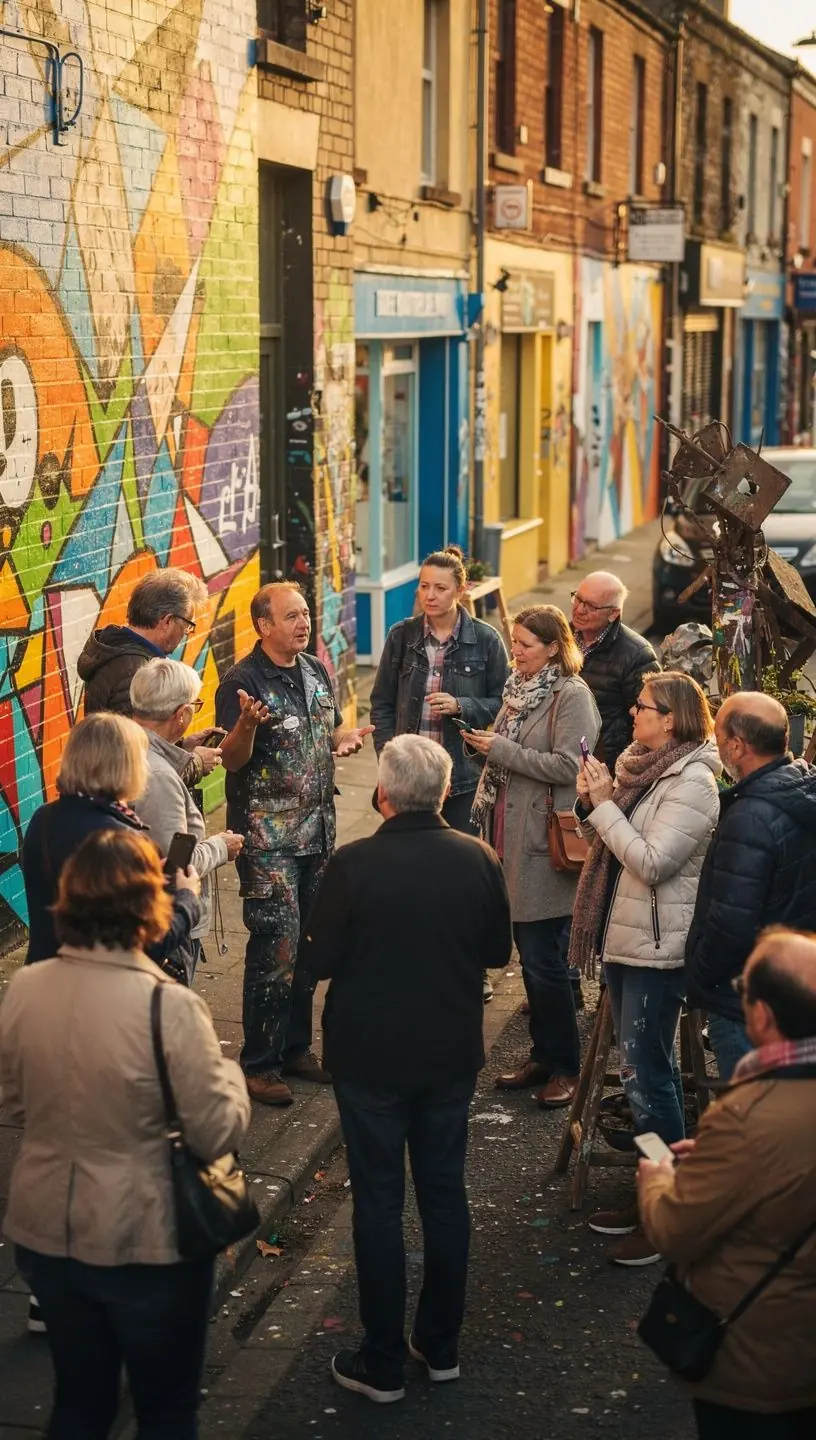
"Live music serves as a bridge, connecting people and fostering a sense of community among diverse groups." - Cultural Studies Expert
Economic Benefits of Live Music Events
Beyond social connectivity, live music events can also have a considerable economic impact on local communities. Studies show that hosting live music can increase foot traffic in neighborhoods, benefiting local businesses. According to a report from the National Endowment for the Arts, areas that support live music often see a boost in sales for nearby restaurants and shops. This typically translates to job creation and increased tax revenue, which can be reinvested into community services.
How Live Music Events Can Promote Local Economies
- Increased Foot Traffic: Live music events often attract large audiences, bringing visitors who may not otherwise frequent a neighborhood.
- Support for Local Artists: These events provide a platform for homegrown talent, helping to foster a vibrant creative community.
- Networking Opportunities: Live music can facilitate connections among local businesses, artists, and residents, leading to collaborative efforts and initiatives.
Challenges and Limitations
While the benefits of live music are numerous, acknowledging potential challenges is essential. Organizing such events can require considerable effort, including securing permits, managing logistics, and addressing noise concerns. Typically, these processes can take from several weeks to months to finalize, depending on the scale of the event. Additionally, it's crucial to ensure that events are designed with community input, as what works well in one neighborhood may not be suitable in another.
Best Practices for Organizing Live Music Events
- Engage with the community early in the planning process to gather input and address concerns.
- Collaborate with local businesses and artists to create a diverse program that resonates with residents.
- Consider logistical aspects such as sound management and accessibility to ensure a positive experience for attendees.
Conclusion
Live music events can profoundly influence local culture, enhancing community cohesion and providing economic benefits. By understanding the dynamics of these events and actively involving the community in their planning, neighborhoods can harness the power of live music to create enriching experiences. As most studies indicate, the positive impact of live music goes beyond entertainment, shaping the very fabric of local identities.